
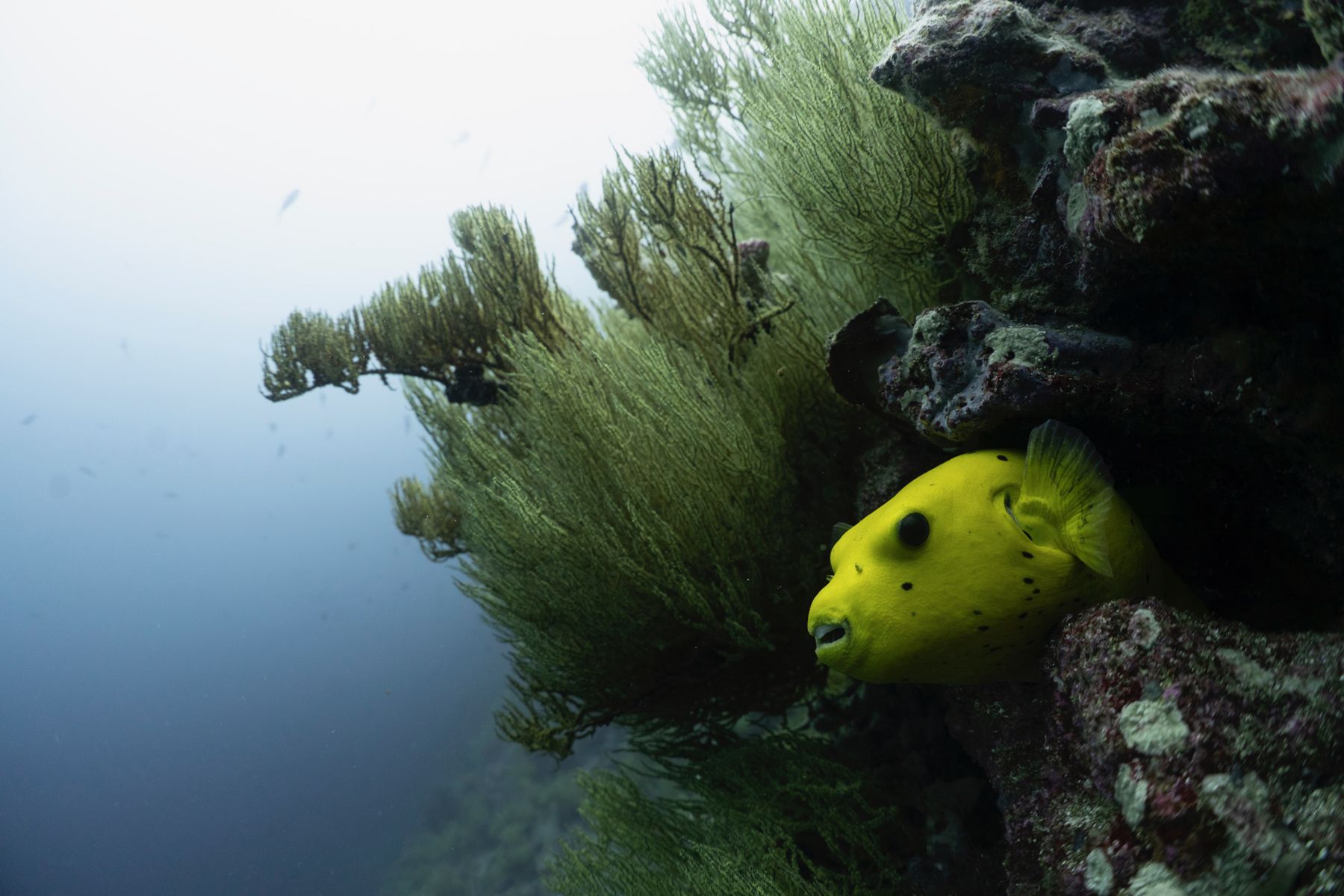
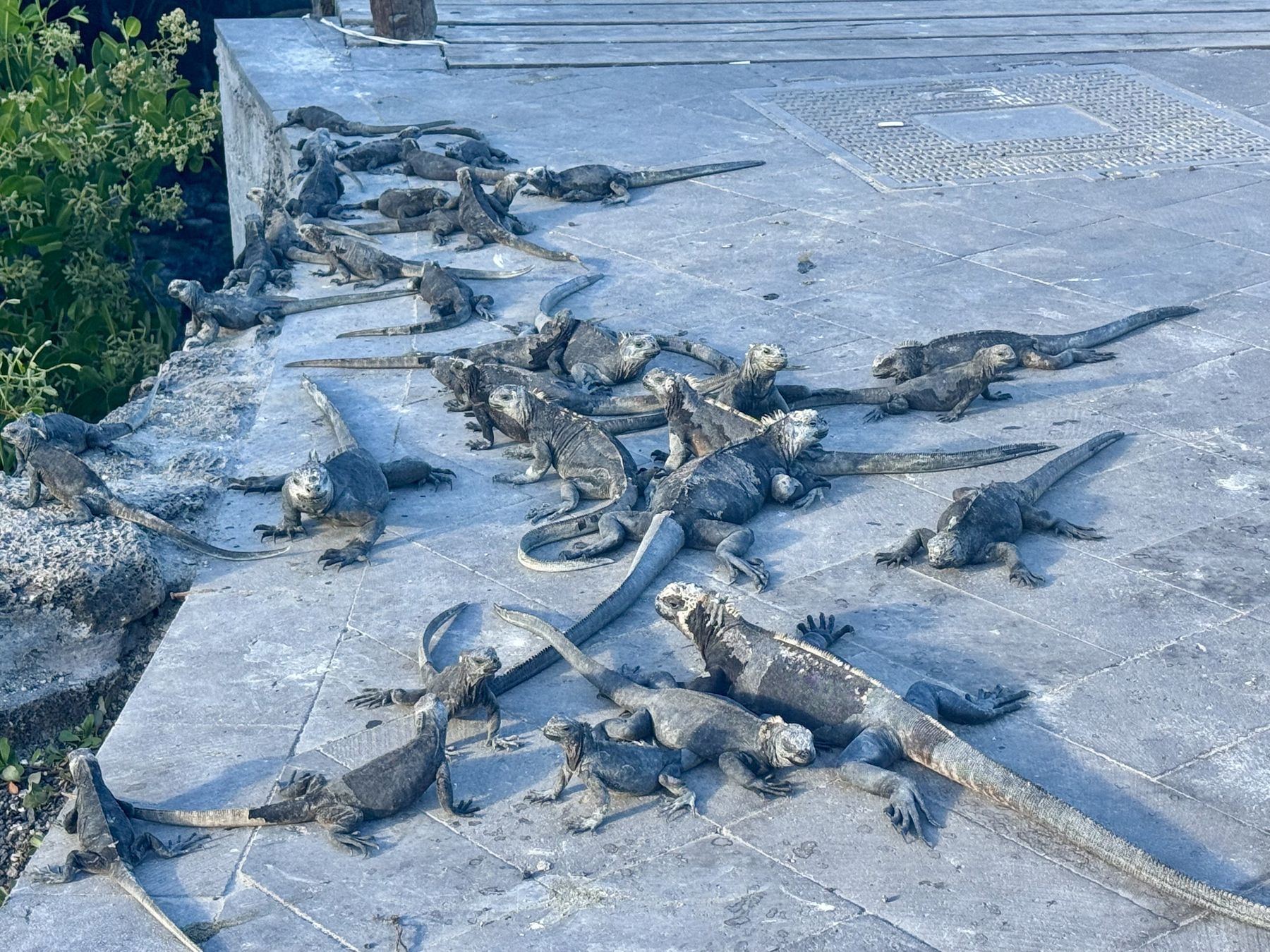

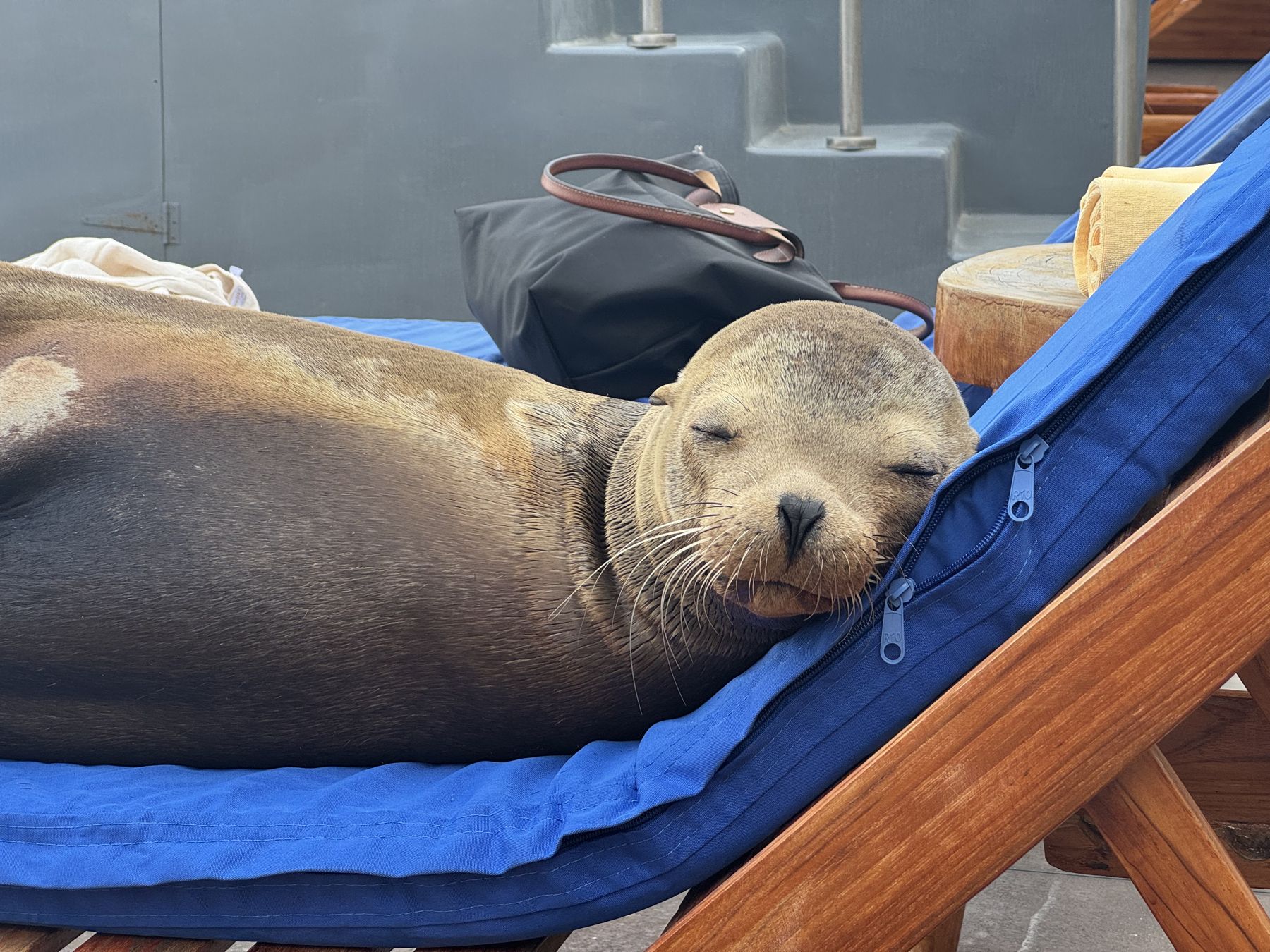

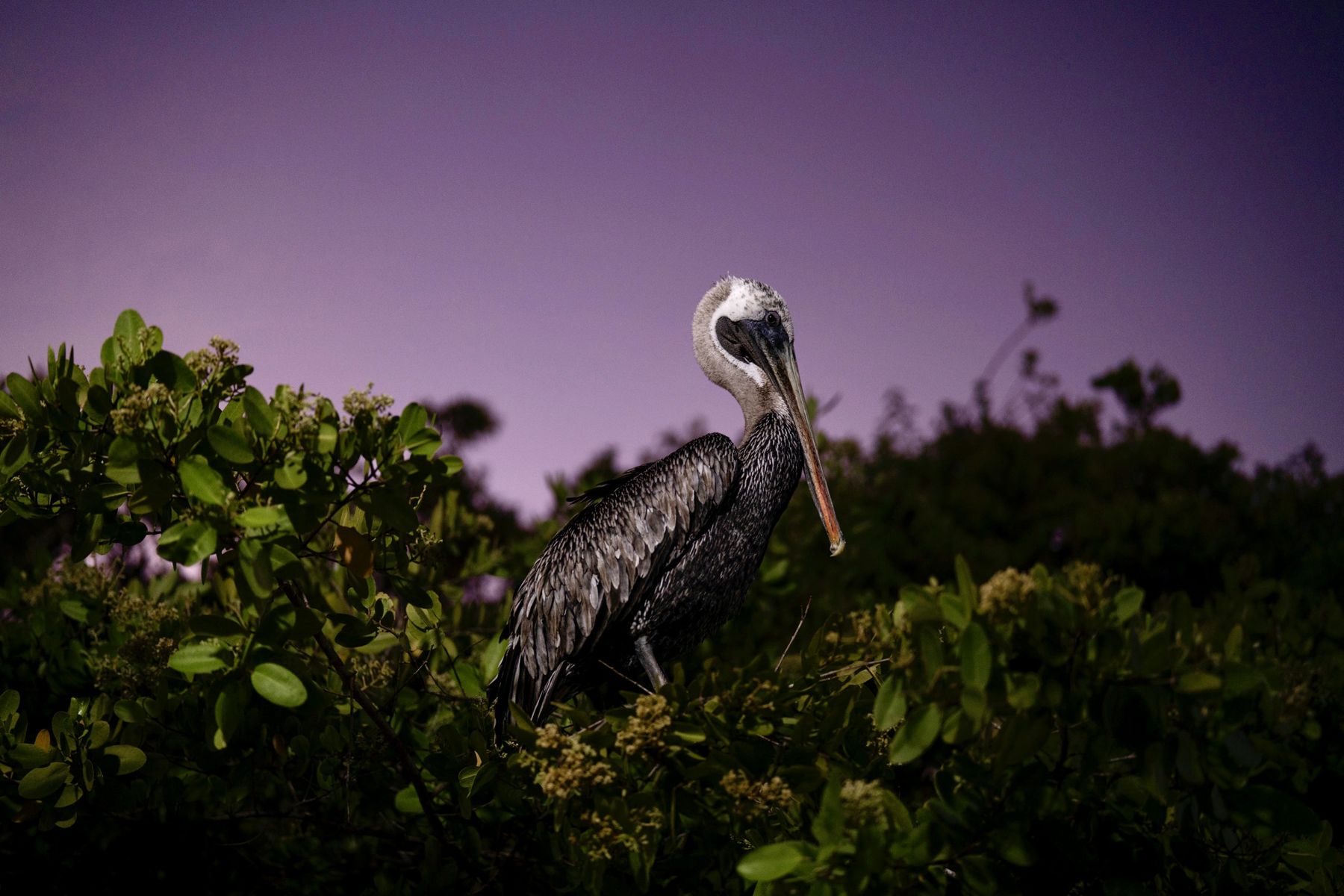
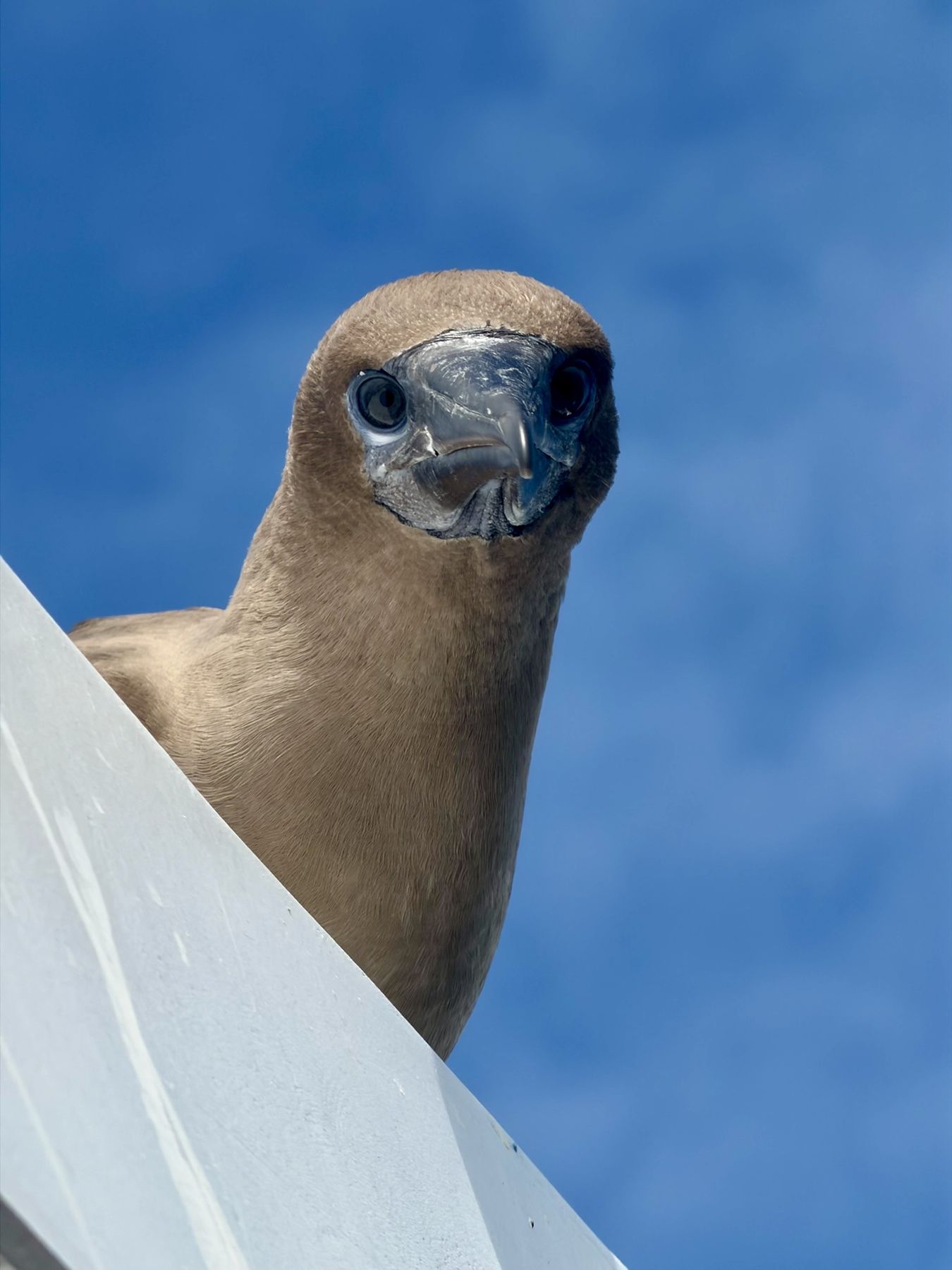
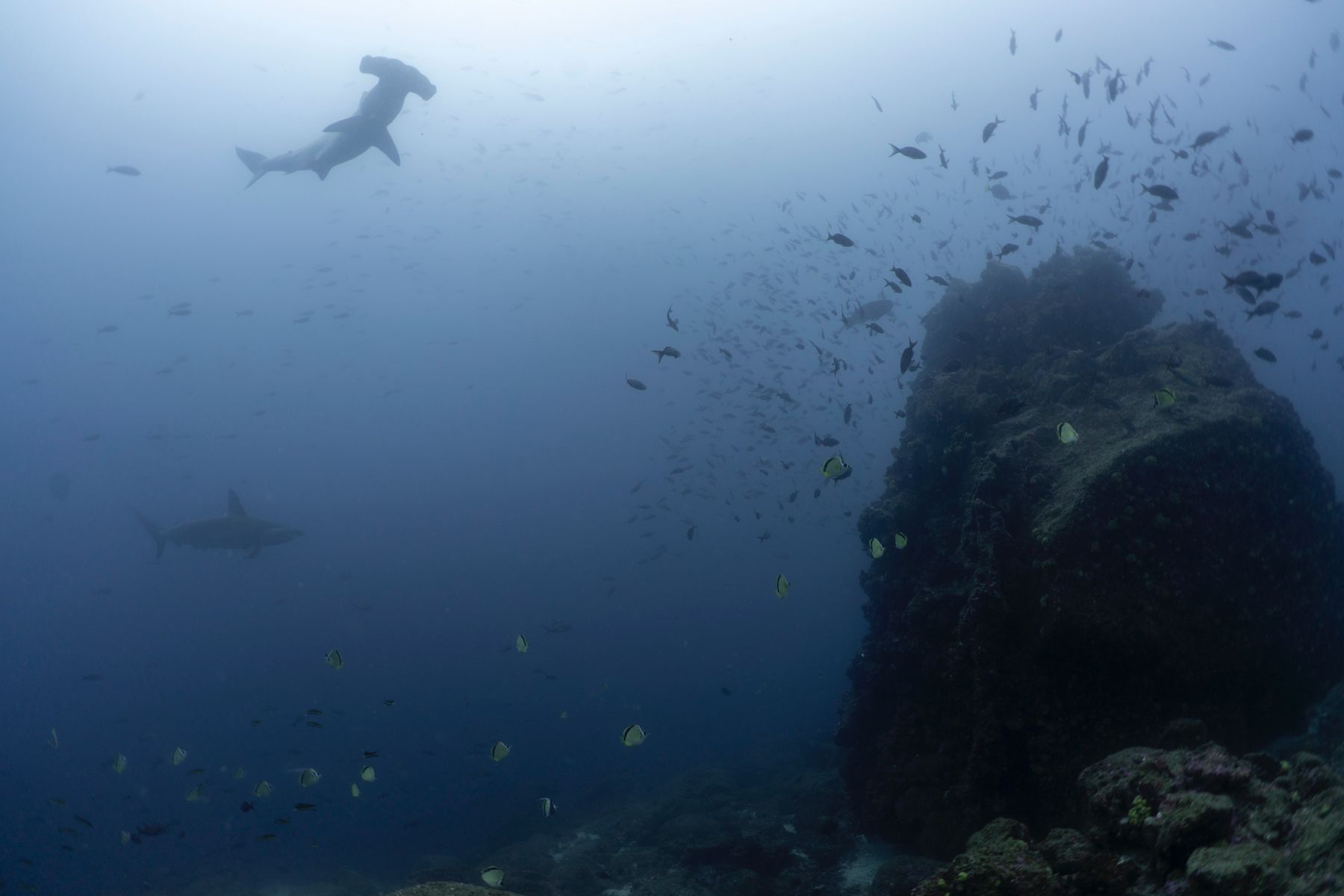
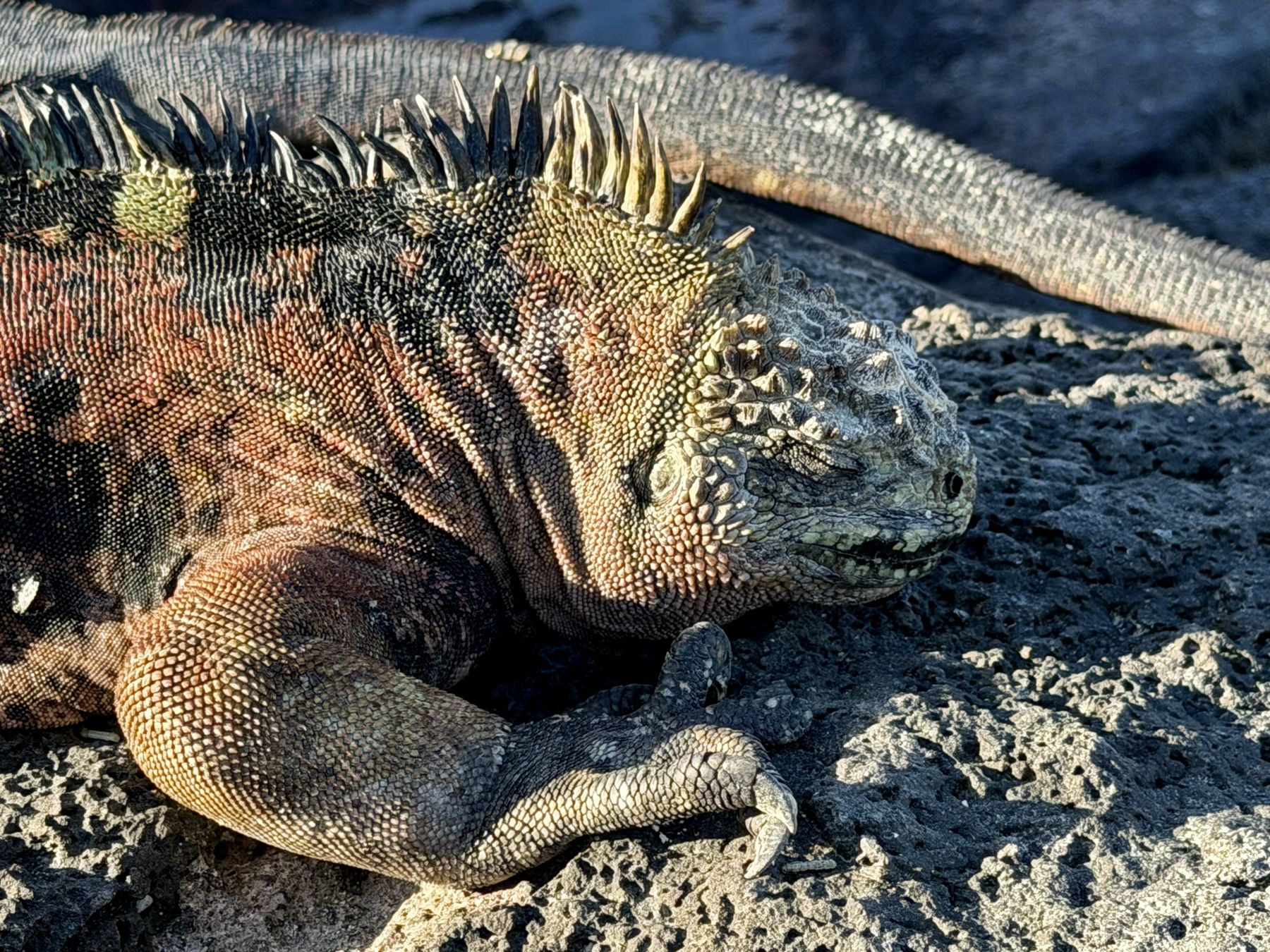
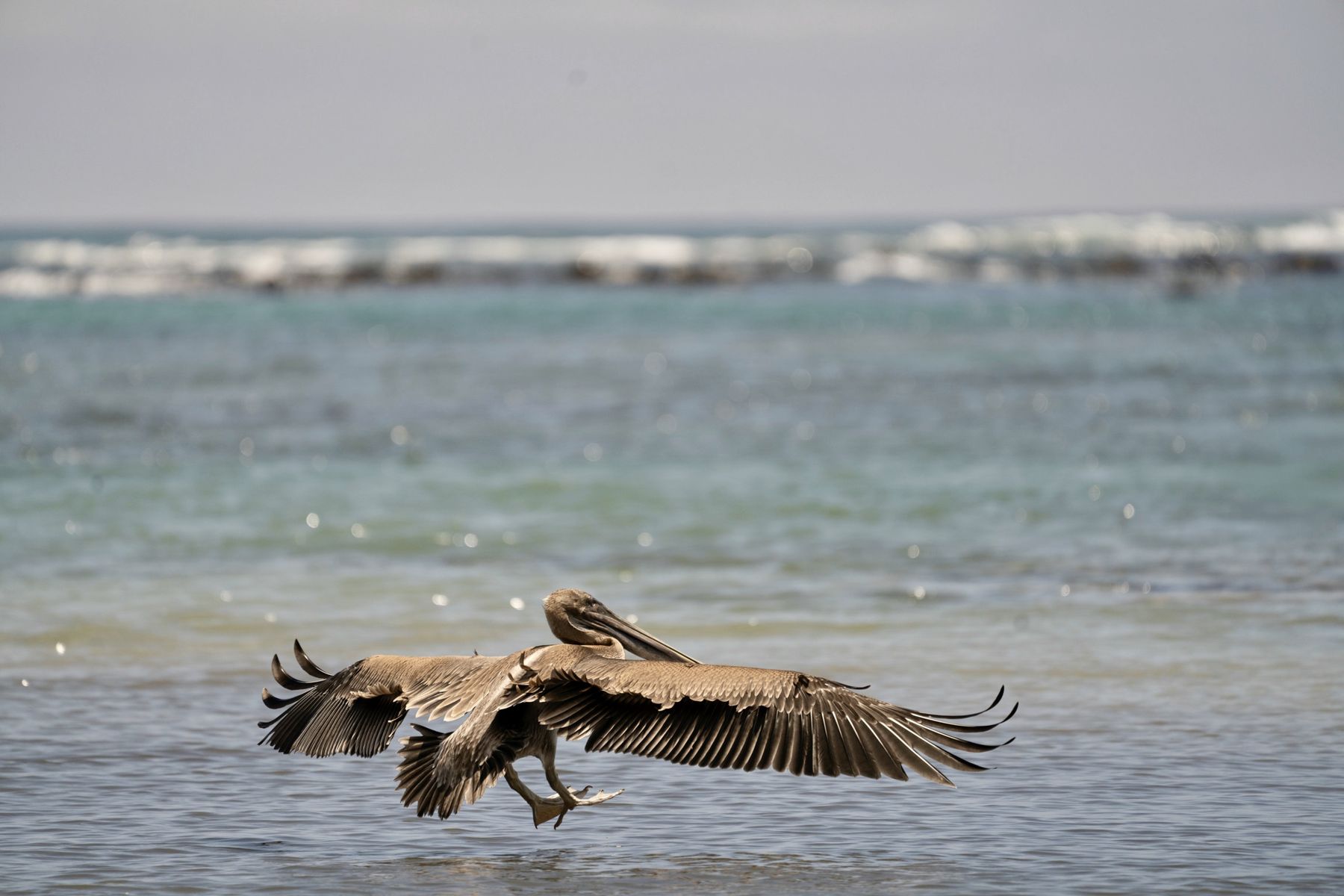
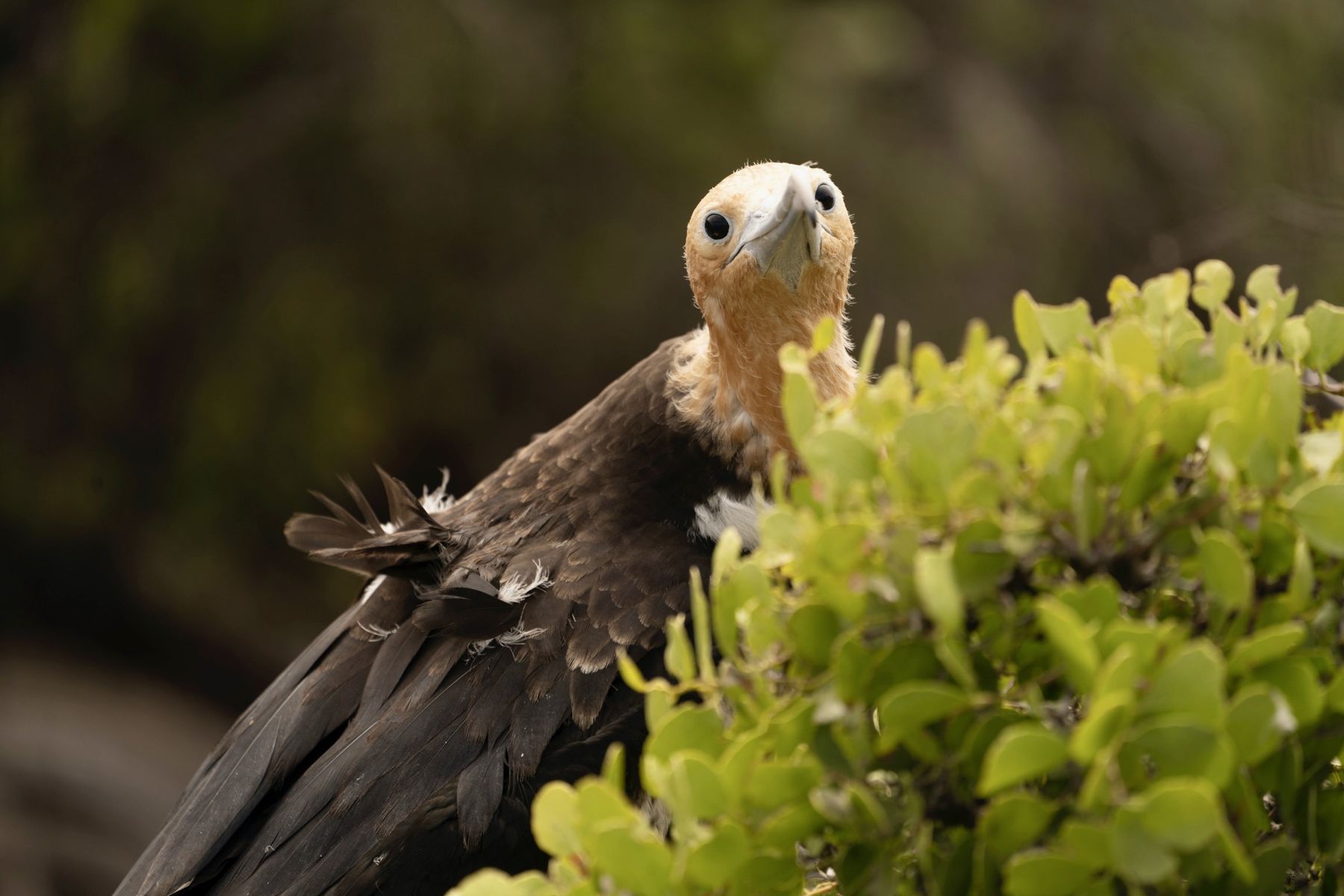

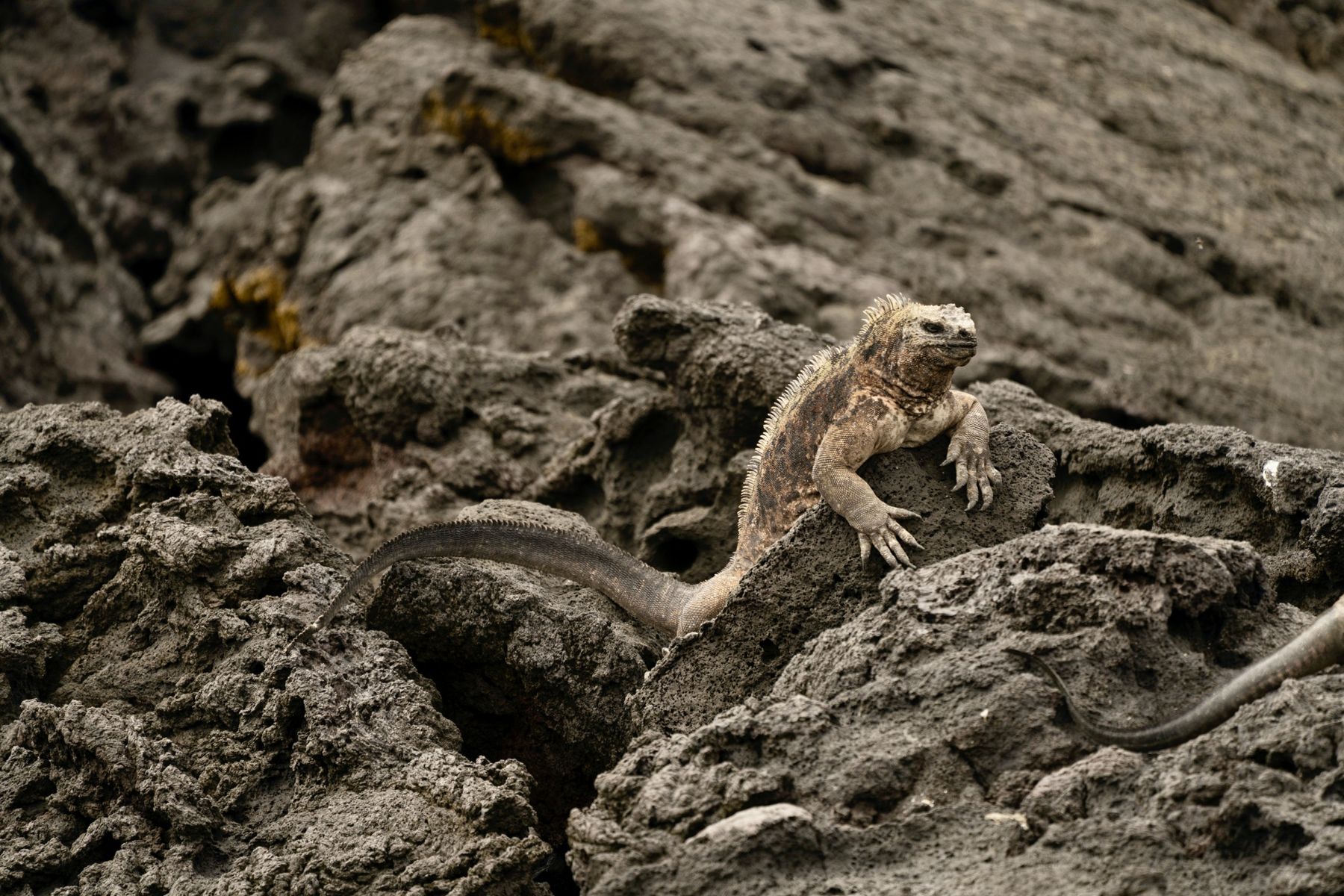

Galápagos · Darwin & Wolf · Isabela · Santa Cruz
Darwin used dogs to help explain evolution. In the Galápagos, organisms sometimes choose mates for beauty, and so do dog breeders.
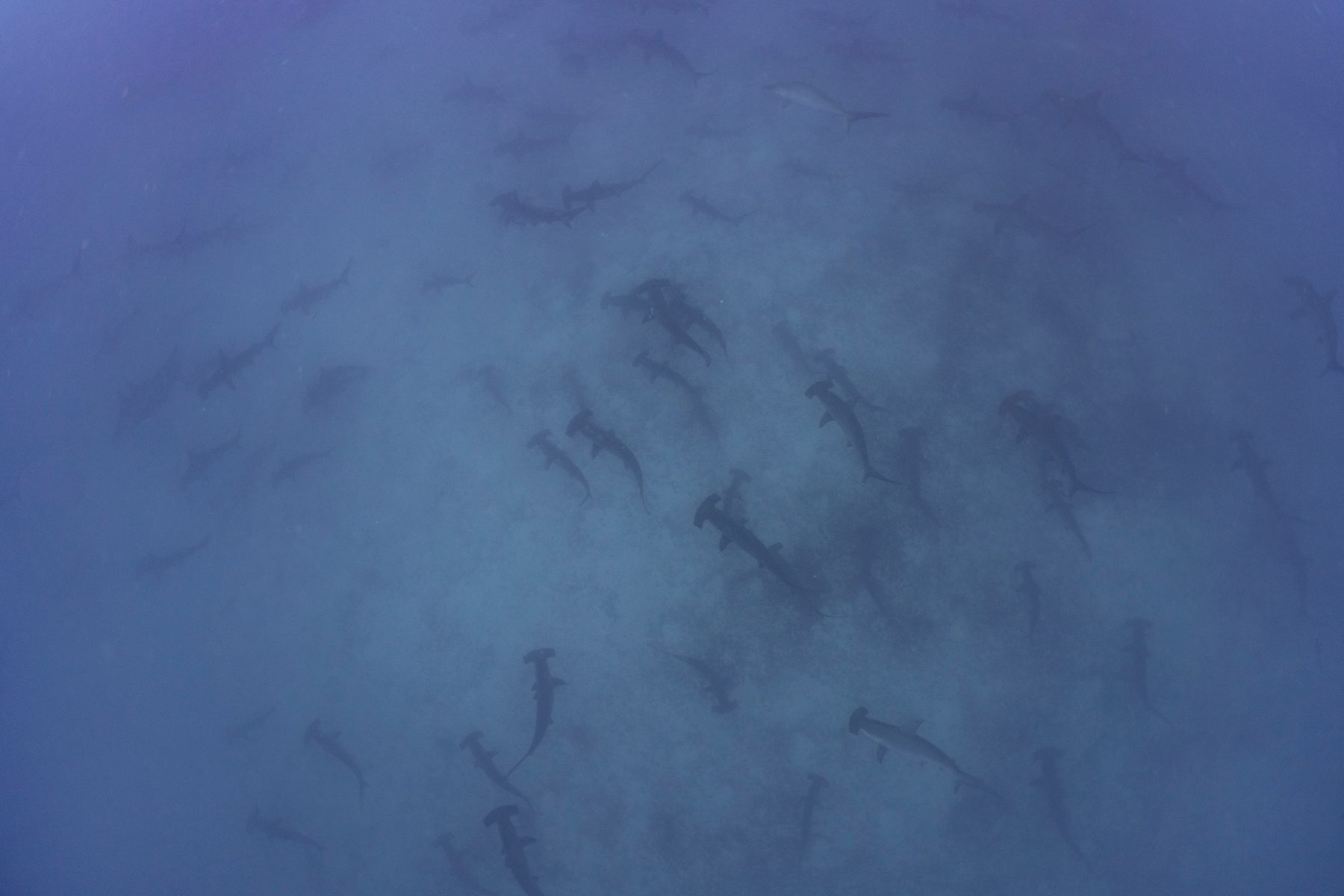
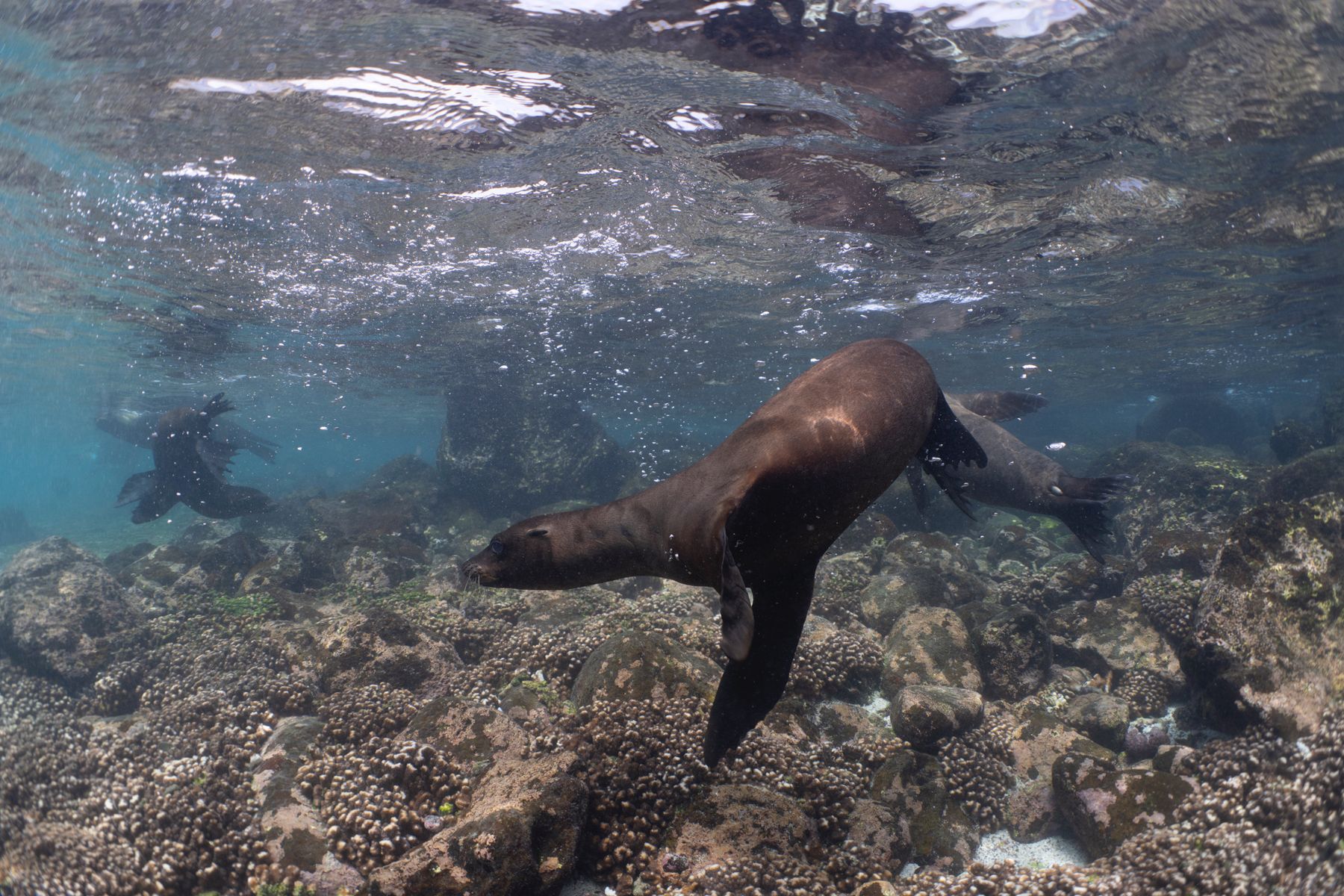
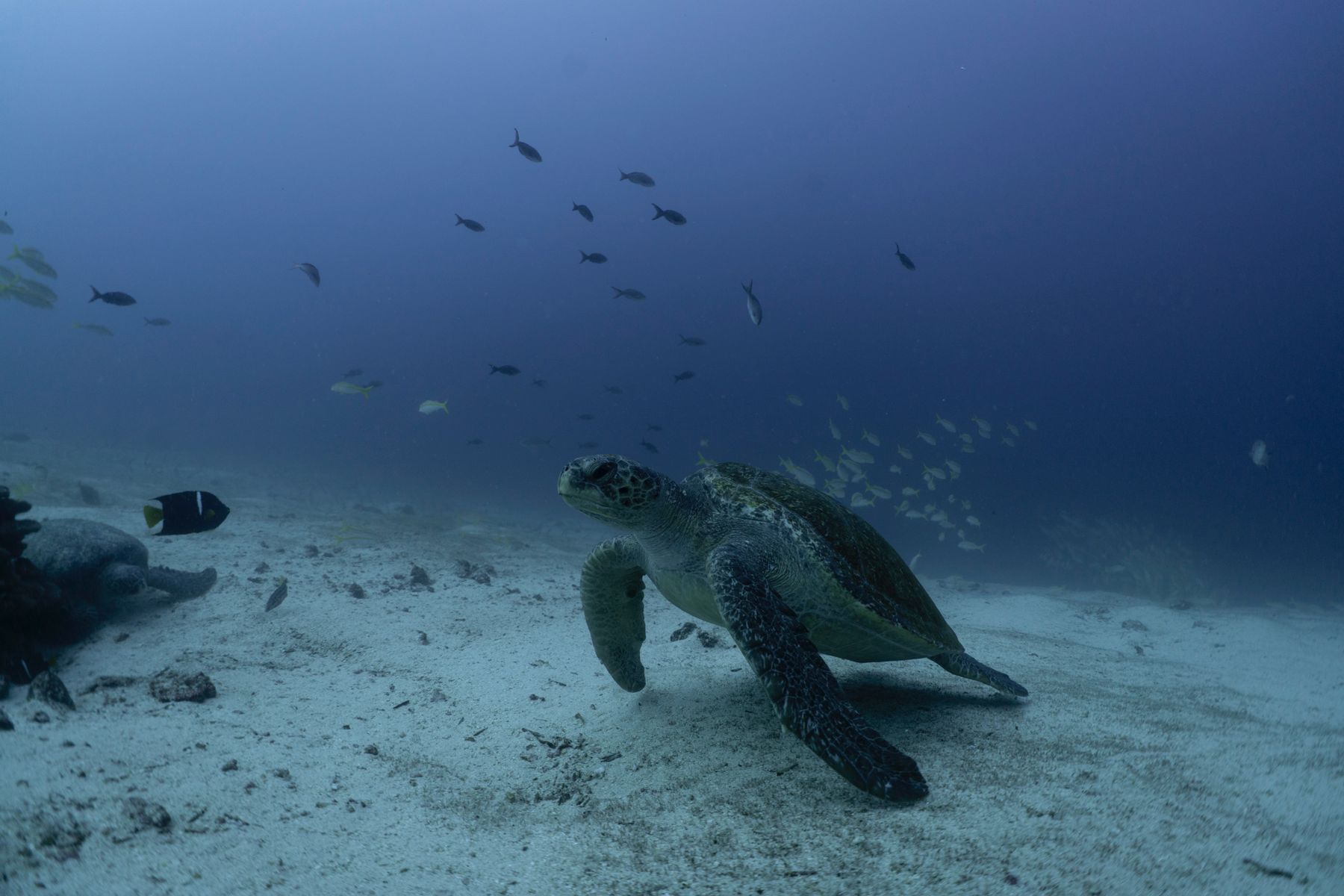
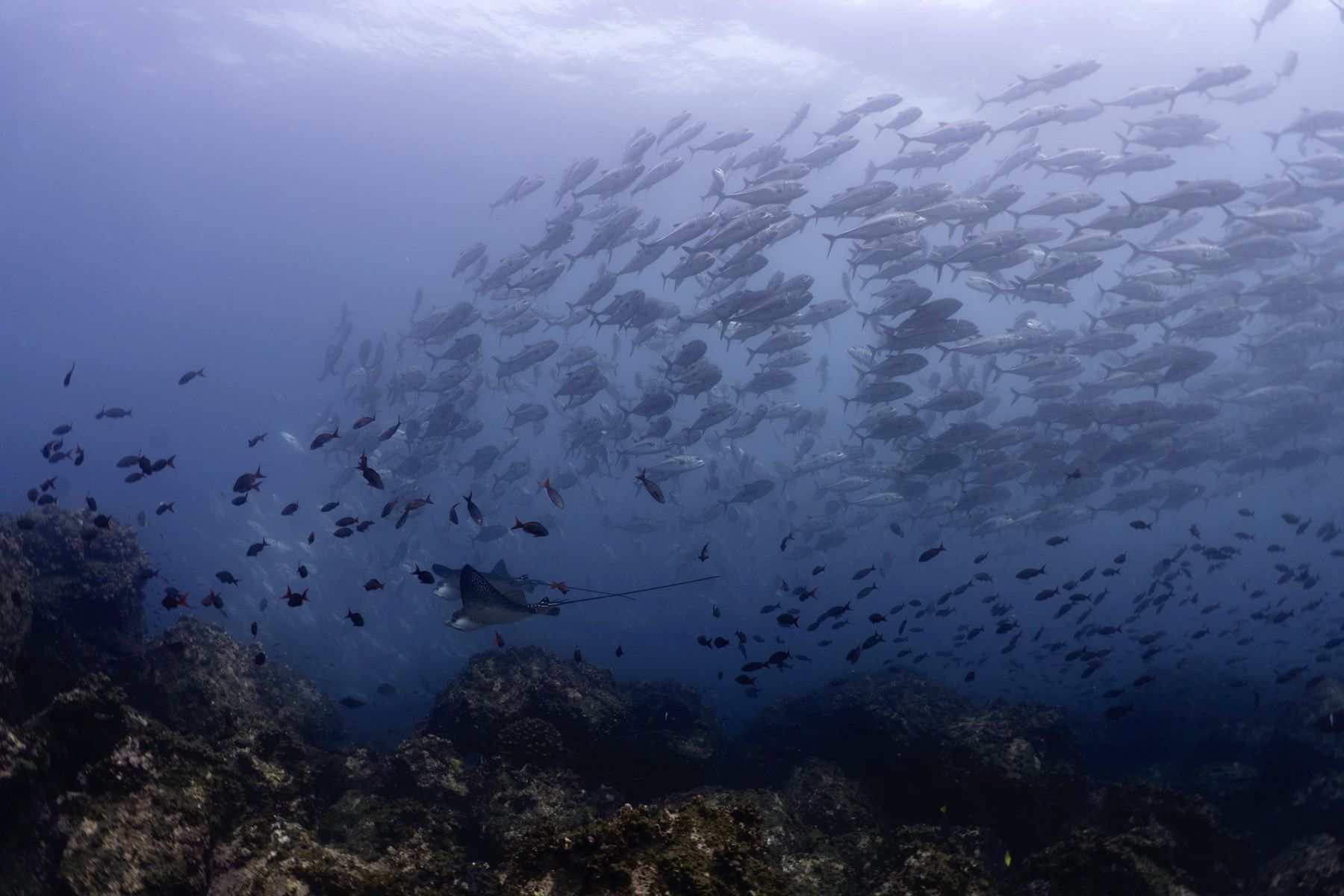
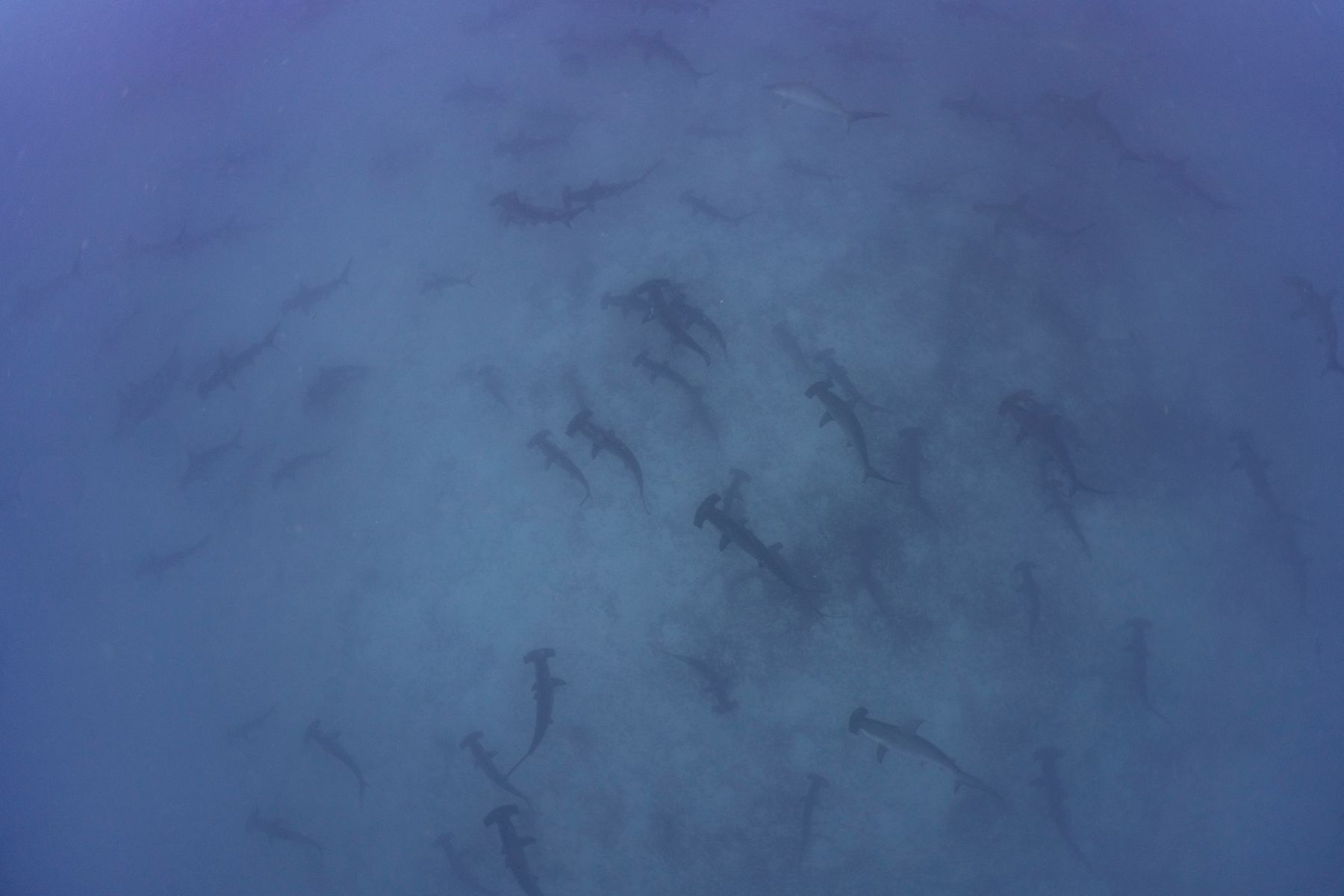
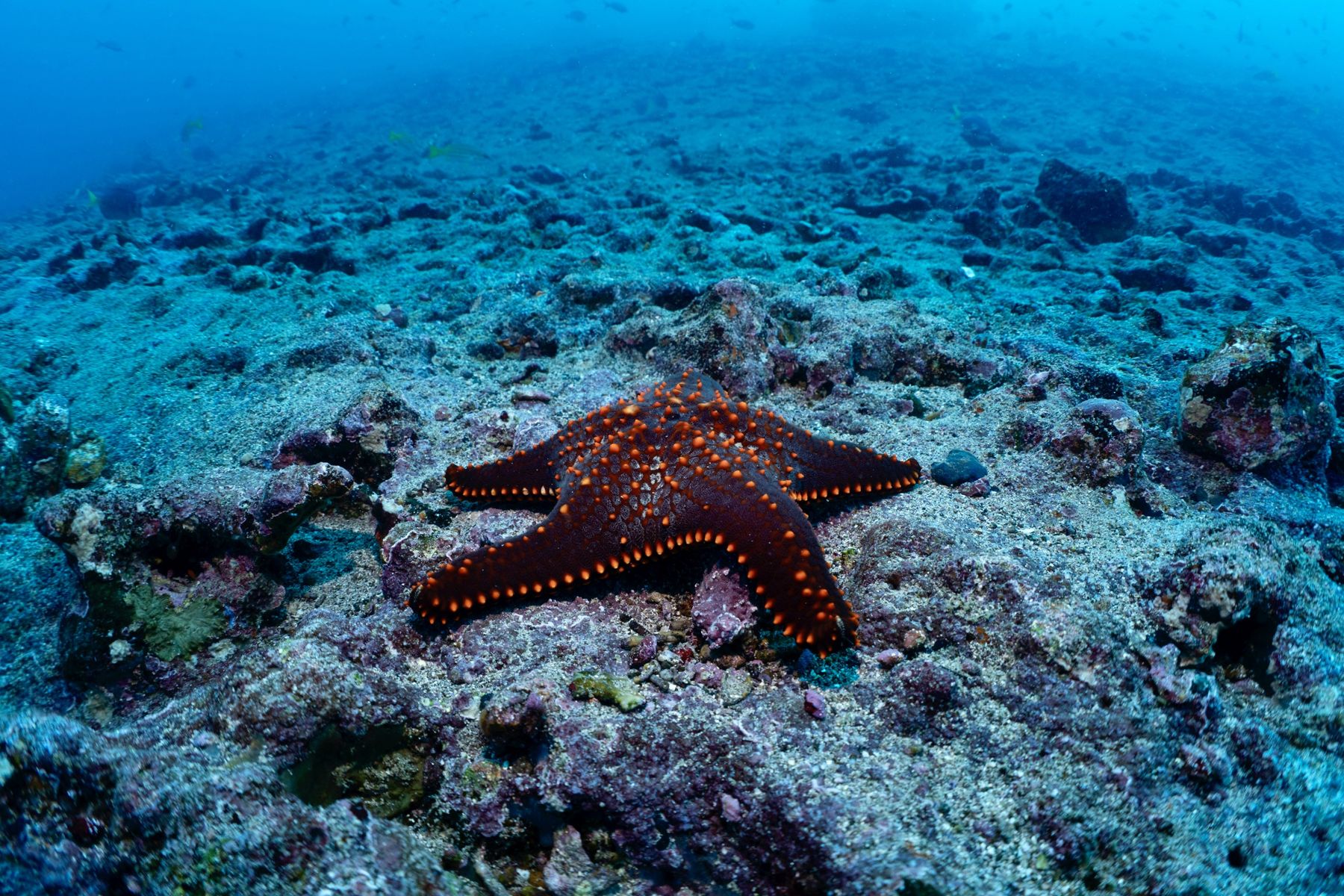
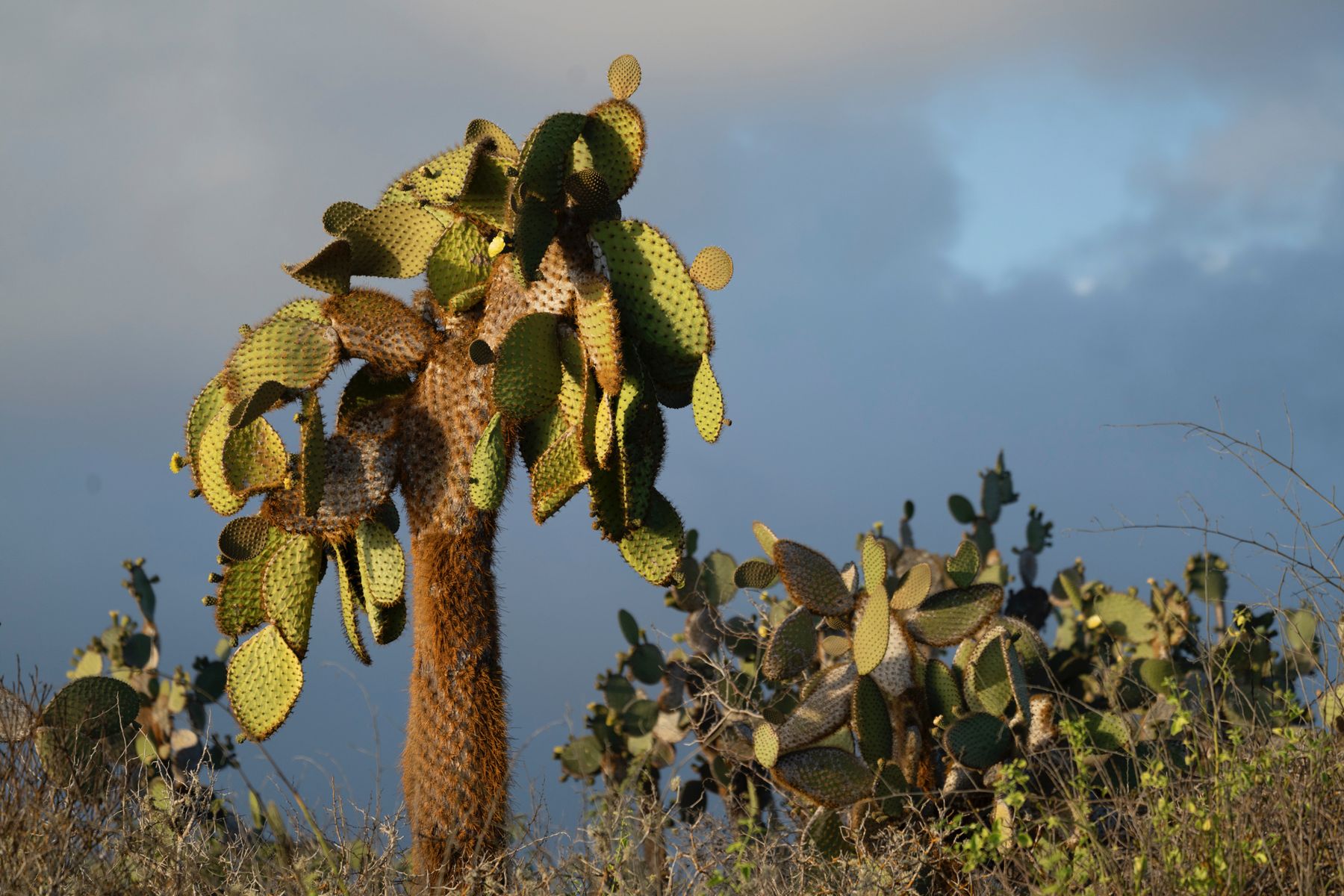
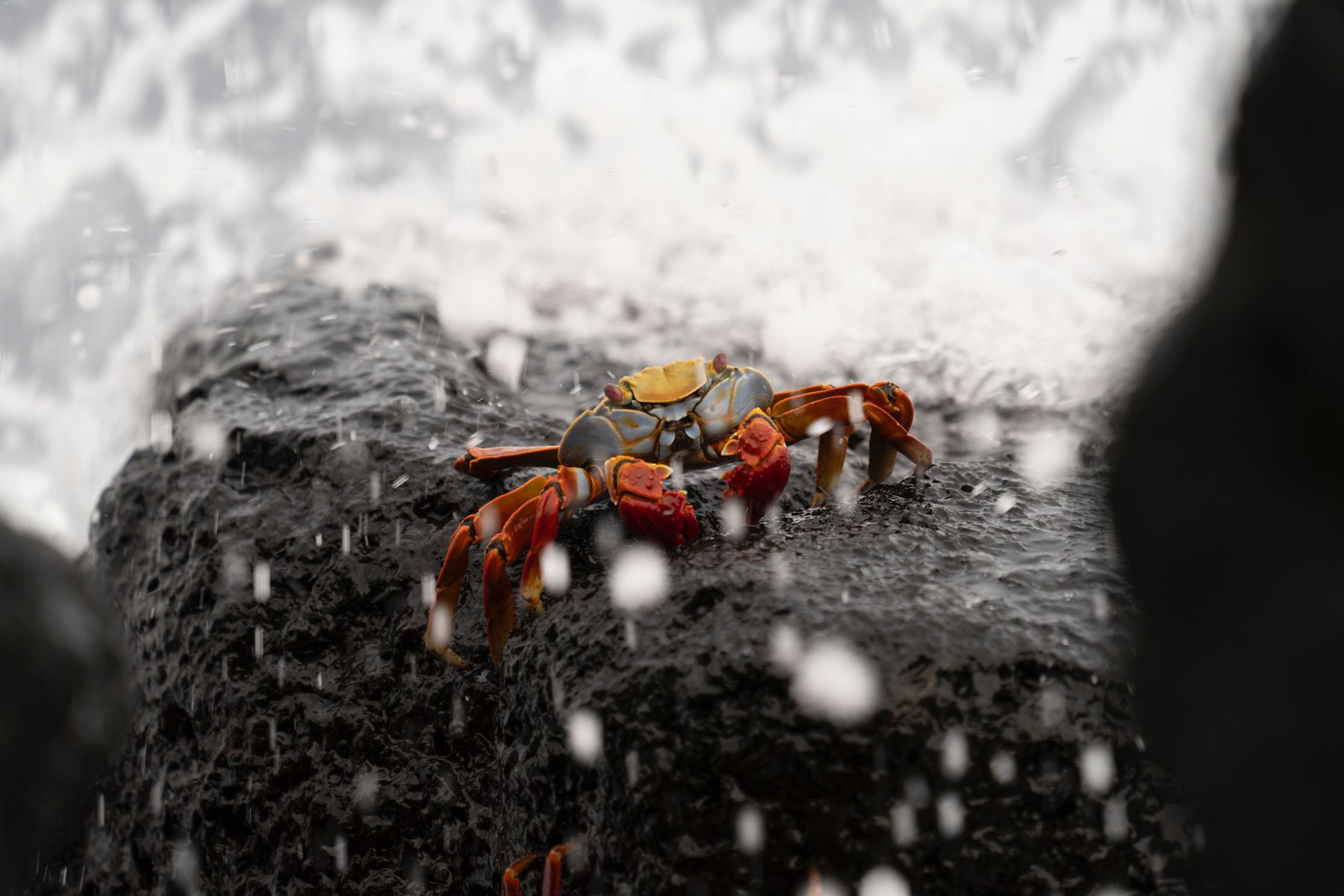
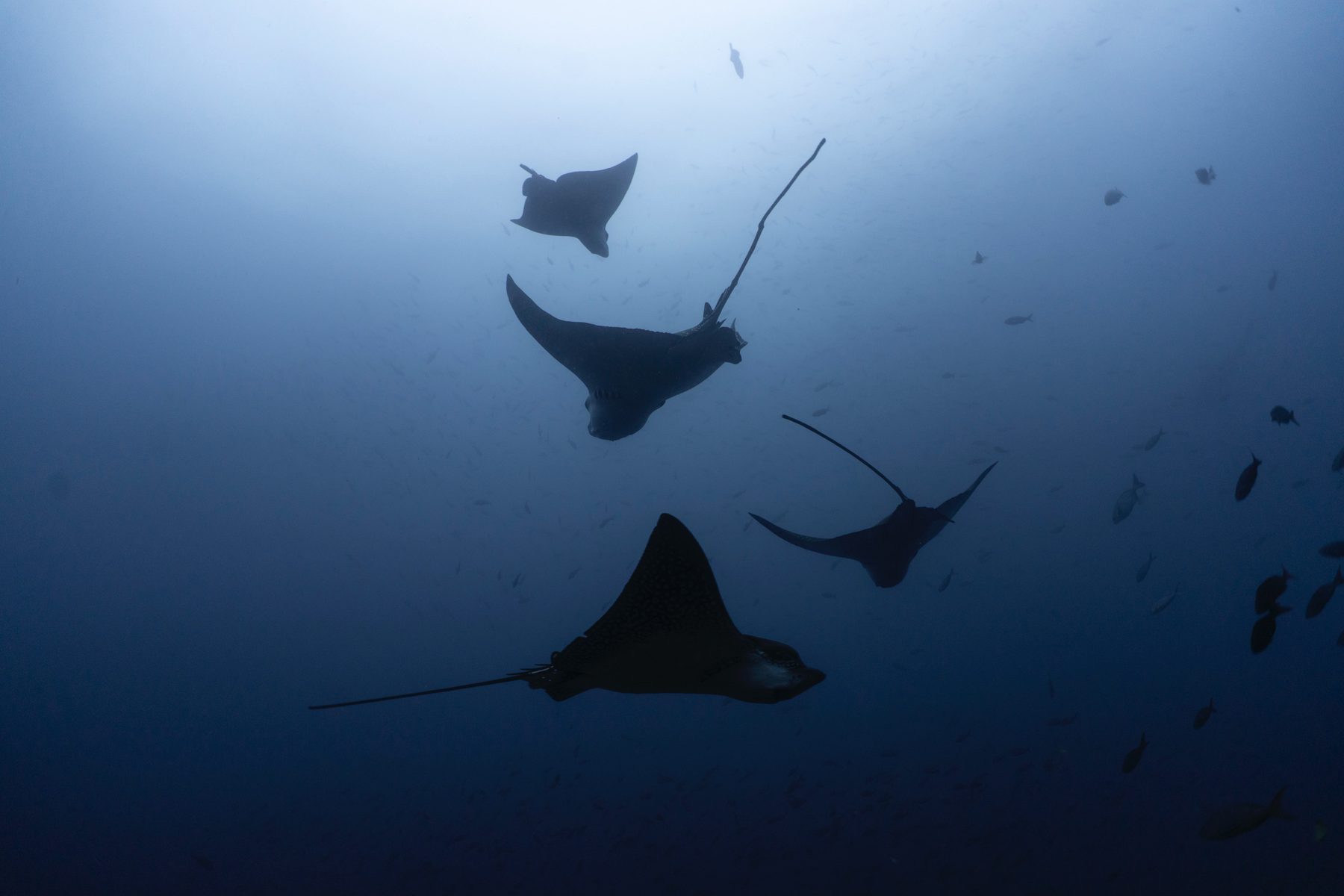
Photos and videos taken from our trip.
Beauty is often spoken of as a lesser value, something vain or superficial. I think that sells it short. People have long counted it with truth and goodness as one of the things worth having for its own sake, and we hold it in common even when we disagree about what is beautiful.
Conformation dog shows are not beauty pageants. They are more akin to an evaluation of livestock, and a sport with a long history. For those of us fostering a breed they are something closer to a sacred experience, a place of communion with others in the dog fancy where we make connections and learn new things. Beauty is still part of the evaluation, though, written into every breed standard.
The Galápagos was more of a pilgrimage than a work trip or vacation. Karen and I went for the diving, the wildlife, and the chance to touch history that shaped Charles Darwin's life and ideas. It was also our first liveaboard, and we got to focus on diving some of the more remote yet popular sites, including Darwin and Wolf at the far northern end of the archipelago. Before we left I re-read some of my favorite books about Darwin, and Richard Prum's The Evolution of Beauty stayed in my mind during and after the trip, making me think more critically about selection. Prum argues that in nature, mate choice is not always about finding the fittest partner. Animals can also choose mates for beauty itself, and when they do, those choices can shape what a species looks like. I think about selection a lot, and the trip made me think again about beauty. As breeders, we don't always say so directly, but we choose for it too. We talk about the head and the front, about movement and balance, and a good deal of that language is beauty by another name.
01
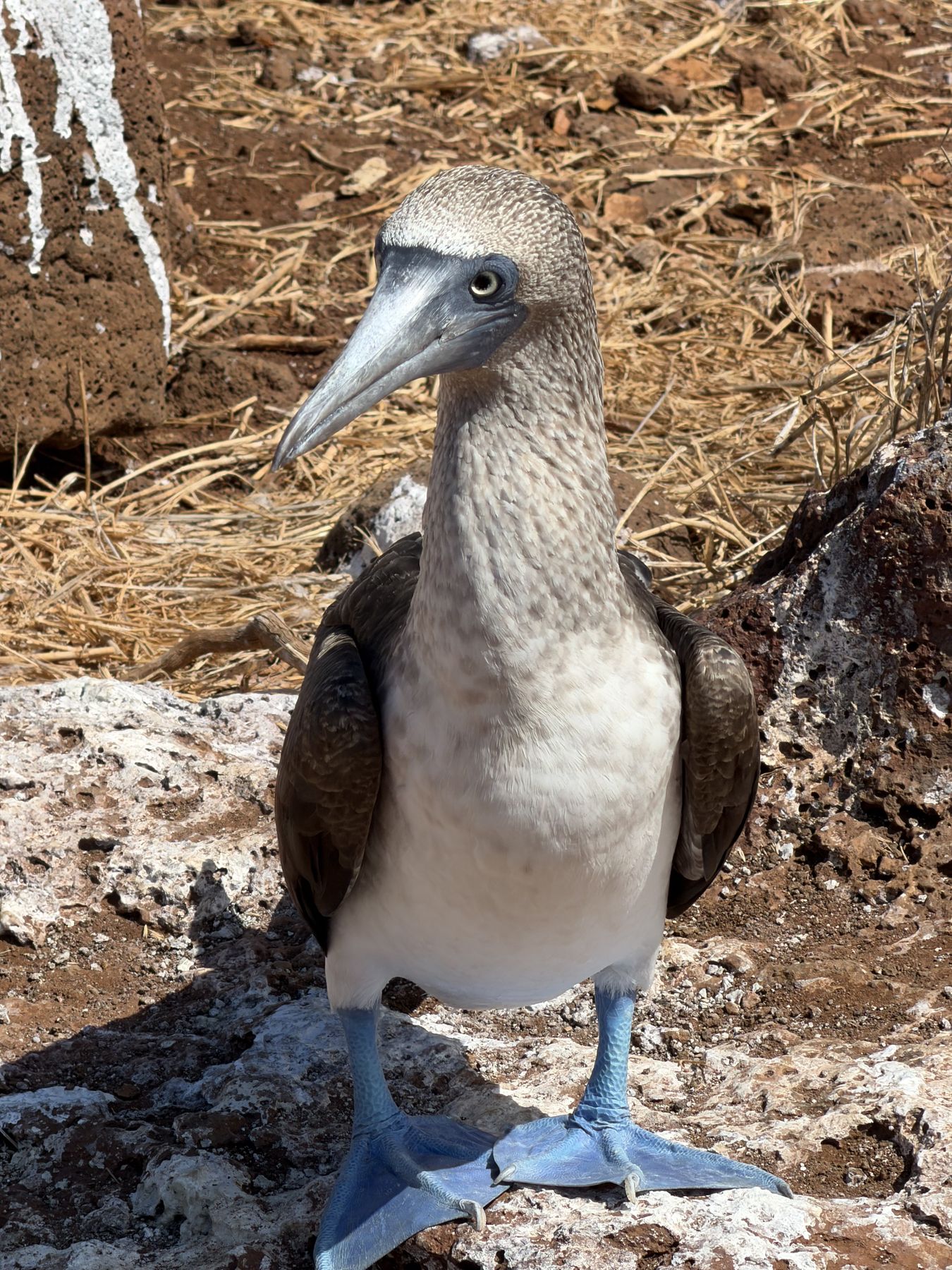
Blue feet
The blue-footed booby is the easy example. When researchers dulled the feet of males, their mates laid significantly smaller second eggs (Velando et al., 2006). The color tracks the bird’s condition, so the feet work as an advertisement of health, which is the answer Alfred Russel Wallace would have given. Darwin’s was simpler: in many species, females prefer what they find beautiful, and over many generations that preference can shape the animal.
Prum sides with Darwin on this, and his name for the idea is “Beauty Happens.” By beauty he means a preference for a trait for its own sake, not for what the trait says about the animal’s quality. Not everyone is convinced. A philosopher of biology has argued that his proposed null model supports more modest conclusions than he claims (Kovaka, 2020), and a condition-dependent trait like the booby’s feet is the kind of evidence the honest-signal side points to. You can’t tell which story you’re looking at by admiring it.
The booby fits Wallace’s side best. Prum’s own examples run the other way, like the club-winged manakin, whose male plays a song by rubbing his wing feathers together (Bostwick & Prum, 2005).
02
Tortoises don’t care how they look
I was surprised by how few scientists I met along the way, but we did run into Tatiana at Rancho Primicias, a tortoise site in the highlands of Santa Cruz. She is a friend who runs Orchids for Peace, and we were both studying evolutionary biology when we met at the University of Missouri-Columbia. I loved seeing her continued commitment and passion for science.
The tortoises are a good reminder that not everything out there is about looks. On the drier islands, where food grows higher off the ground, tortoises tend to have saddleback shells that flare up at the front, and the usual explanation is that this lets the neck reach higher (Fritts, 1984). Nobody picked that for looks. It works or the tortoise doesn’t eat.
03
Beauty and our dogs
In the wild, animals choose their mates, and survival checks the choice. In a dog breed, we decide which dogs are bred. I think of the breed standard as our preference written down, and the ring as where we reward it.
Some of the Great Dane standard is function: a dog that moves with long reach and powerful drive and “never appears clumsy.” Some of it is plainly beauty, since the same document calls the breed “the Apollo of dogs.” And the most serious fault in the standard is one it never really defines.
"Lack of true Dane breed type, as defined in this standard, is the most serious fault."AKC Official Standard of the Great Dane
The fault says “as defined in this standard,” so I counted. The word “type” appears twice in the entire standard. The word “health” does not appear at all.
The breed’s judges’ education guide helps fill in the meaning. Type is “a sculptured headpiece,” a long, clean neck, strong bone, “a glossy coat of correct rich color,” and movement “with precision and grace” (Stutzman). Some of those are function, like bone and movement. Some are look. Of all the faults the standard lists, the one it names as most serious is a lack of type, which the guide describes as a “common looking” dog.
Beauty is hard to talk about, and our breed is no exception. Words like “sculptured” and “correct rich color” point at something most of us recognize when we see it and have trouble explaining. One answer is the head, the size, the front, and the complete dog, including movement and attitude. That is hard to put into words, and calling the breed something between a greyhound and a mastiff doesn’t help much either. Some of it can be measured, like height and proportion, and some of it may only be learned by looking at a lot of dogs. Standards are written by clubs, not by scientists, so it makes sense that they describe what a trained eye sees.
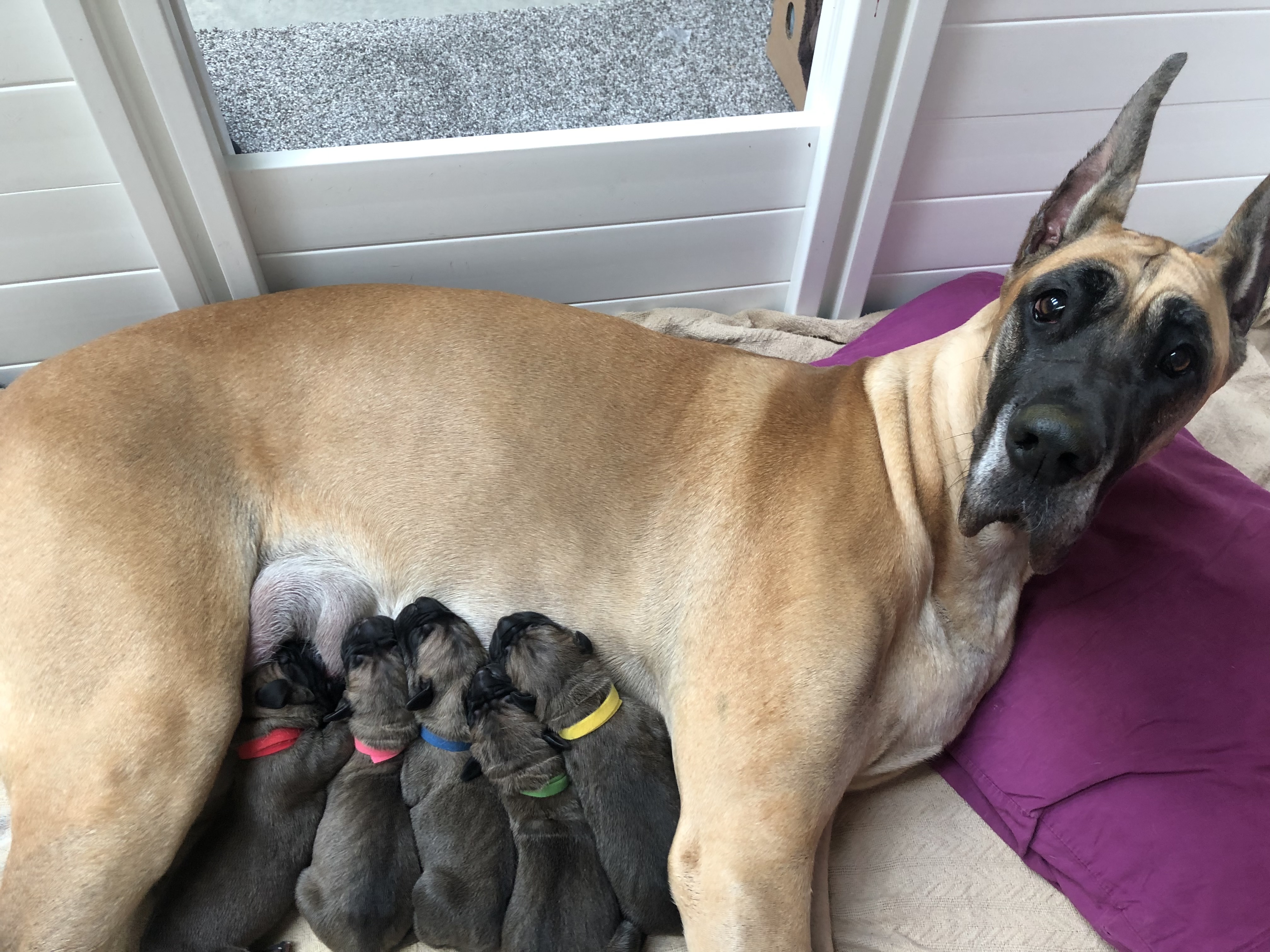
Most of us already know that beauty can have a price, and harlequin is the example. Homozygosity for the H allele is embryonic lethal (Clark et al., 2011), so two harlequins bred together would be expected to lose about a quarter of their conceptions. It is also one of the most beautiful and unique patterns in our breed.
Many things get our attention in our dogs, and they deserve it. Beauty usually gets a caption, a kind word for a dog we admire, and we rarely say what we mean by it. It is okay to talk about it. It may be difficult, and we can try our best. That is part of what makes breeding Great Danes wonderful to me, because we are working with living art. I’d like to hear more of that conversation.
What do you see when you call a dog beautiful?
Sources
Prum, R. O. (2017). The Evolution of Beauty: How Darwin’s Forgotten Theory of Mate Choice Shapes the Animal World—and Us. Doubleday.
American Kennel Club. (2019). Official Standard of the Great Dane. images.akc.org
Stutzman, D. (2018, rev. 2024). The Great Dane: A Study of the Apollo of Dogs. Judges’ education presentation, American Kennel Club. akc.org
Velando, A., Beamonte-Barrientos, R., & Torres, R. (2006). Pigment-based skin colour in the blue-footed booby: an honest signal of current condition used by females to adjust reproductive investment. Oecologia, 149(3), 535–542. doi:10.1007/s00442-006-0457-5
Bostwick, K. S., & Prum, R. O. (2005). Courting bird sings with stridulating wing feathers. Science, 309(5735), 736. doi:10.1126/science.1111701
Fritts, T. H. (1984). Evolutionary divergence of giant tortoises in Galápagos. Biological Journal of the Linnean Society, 21(1–2), 165–176. doi:10.1111/j.1095-8312.1984.tb02059.x
Kovaka, K. (2020). Mate choice and null models. Philosophy of Science, 87(5), 1096–1106. doi:10.1086/710614
Clark, L. A., Tsai, K. L., Starr, A. N., Nowend, K. L., & Murphy, K. E. (2011). A missense mutation in the 20S proteasome β2 subunit of Great Danes having harlequin coat patterning. Genomics, 97(4), 244–248. doi:10.1016/j.ygeno.2011.01.003